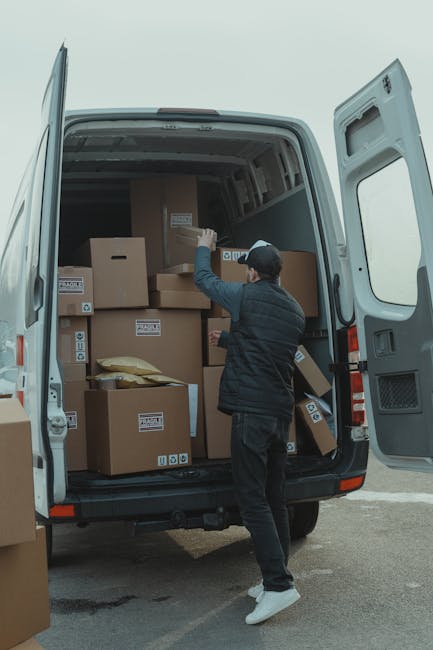
Best loading bays Blackheath Village for man and van pickups

If you are trying to plan a smooth pickup in Blackheath Village, loading access is usually the difference between a calm move and a stressful one. The Best loading bays Blackheath Village for man and van pickups are not just about finding a space near the door; they are about choosing a spot that fits the vehicle, keeps the route clear, and lets the job run without awkward delays. That matters a lot when you are dealing with narrow streets, tight schedules, or a heavy item that you really do not want to carry twice.
In this guide, we'll look at how loading bays work in practice, what makes one bay better than another, and how to plan pickups so the van can load quickly and safely. You will also find a checklist, a comparison table, and a realistic example from a typical local move. If you are organising a flat move, furniture collection, or short-notice pickup, this should help you make better decisions. And yes, it can save a fair bit of faff.
Why Best loading bays Blackheath Village for man and van pickups Matters
Blackheath Village has a local feel that people love, but that same charm can make pickups trickier than they first appear. Streets can be busier than expected, parking can be limited, and a van left in the wrong place can slow everything down. For a man and van pickup, a loading bay is often the most practical option because it gives you a defined stopping point close to the property, usually with less guesswork than trying to find a casual space nearby.
The best loading bay is not always the nearest one. Sometimes the better choice is the one that lets the driver pull in safely, keep clear of traffic, and get the trolley or boxes moving with minimal backtracking. That may sound obvious, but in the real world it's easy to fixate on distance and ignore the practical bits. One extra 20 metres can be worth it if the route is simpler and safer.
When a pickup runs well, the whole day feels different. You reduce the chance of missed slots, double parking, stressful loading, or a long carry from the van to the front door. That is especially useful for bulky furniture, office items, student belongings, or those awkward one-off jobs where there is no room for error. If you are arranging a larger or more structured move, pages like removal services and man and van support can also help you think through the wider plan, not just the parking.
Practical takeaway: the best loading bay is the one that makes the pickup fast, safe, and predictable. Not just the one that looks closest on a map.
How Best loading bays Blackheath Village for man and van pickups Works
At a simple level, a loading bay is a space set aside for short-term loading or unloading. In the context of a man and van pickup, it gives the vehicle a legal or permitted place to stop while items are moved from the property into the van. The point is to keep the loading process efficient and reduce disruption to other road users.
In practice, the process usually goes like this: the driver arrives, checks the bay conditions, confirms the pickup route, and starts loading as quickly and safely as possible. If the bay is shared, timed, or restricted, the team has to work within those rules. That can mean keeping items ready by the door, using protective blankets, and making sure fragile goods are stacked in the right order before the van moves off.
There is also a little local judgement involved. A bay that is ideal at 8:00 in the morning might be far less useful at 11:30 if traffic, deliveries, or school-run movement change the street pattern. To be fair, the best loading setup often depends on timing as much as location. In Blackheath Village, that can be the difference between a quick handover and a frustrating wait.
If you are moving flat contents or just a few heavy pieces, it can help to pair a sensible loading bay with the right vehicle size. A smaller vehicle may be easier to position, while a larger one may reduce trips. If you want to compare vehicle options, removal van and moving truck pages are useful starting points for thinking about capacity.
Key Benefits and Practical Advantages
Good loading bay planning gives you more than convenience. It protects the overall pace of the job and often makes the pickup feel a lot less chaotic. Here are the main benefits people notice most often.
- Shorter carrying distances: fewer steps between the property and the vehicle means less fatigue and less chance of knocks or drops.
- Better time control: the crew can load in a more orderly way instead of waiting for a distant parking space to become free.
- Reduced stress: everyone knows where the vehicle will be, which removes a lot of guessing.
- Safer handling: boxes, glass, furniture, and awkward items are easier to move when the route is direct.
- Less disruption to neighbours and traffic: a well-managed pickup is usually less messy for everyone else on the street.
There is another upside that gets overlooked: good loading access can improve packing discipline. When you know the pickup window is tight, you tend to organise things better before the van arrives. That means fewer loose items, fewer last-minute searches for tape, and fewer moments where someone is still wrapping cutlery while the driver waits outside. We've all seen that scene. It happens.
For a more complete move, access planning can also support related services like packing and boxes, furniture removals, or even same day removals when the timing is tight and there is no room to drift.
Who This Is For and When It Makes Sense
This topic matters to a wider range of people than you might expect. A loading bay is not only for big house moves. In Blackheath Village, it can be the key to making a modest pickup work properly.
You may need this approach if you are:
- moving out of a flat or maisonette with limited street access
- collecting a sofa, bed, or other bulky furniture item
- organising an office or small business pickup
- fitting a student move into a short time window
- handling a same-day job where timing matters more than anything else
- moving to storage and need a tidy handover point
It makes sense whenever the property is close to a restricted street, or when there is no private driveway, forecourt, or secure off-road space. In those cases, the loading bay becomes part of the move plan, not an afterthought. That is especially true for people booking a man and van service for furniture collection or small household moves. It sounds minor. Then the day arrives and suddenly it is the most important detail.
If you are moving a small household load, flat removals and student removals are often the closest fit to this kind of pickup planning. For business items, commercial moves and office removals can benefit from the same approach.
Step-by-Step Guidance
Here is a practical way to plan a loading bay pickup without overcomplicating it.
- Check the property access first. Look at the front entrance, stairwell width, and whether items need to be carried through shared spaces.
- Match the pickup to the vehicle. A compact van may suit a tight road better than a larger vehicle, but if the items are bulky, you may prefer more cargo space. Choose with the job in mind, not ego.
- Identify the most workable loading point. Think about whether the van can stop without blocking access, whether the route is flat enough for a trolley, and whether there is enough turning room nearby.
- Keep the load ready. Boxes should be sealed, furniture should be empty where possible, and fragile items should be clearly marked before the vehicle arrives.
- Set a realistic time window. A small pickup might be quick, but only if the items are prepared and the bay is usable. Build in a little slack.
- Protect the items and the building. Use blankets, straps, edge protection, or cardboard where needed. The tiny scratches are the ones people remember, unfortunately.
- Confirm the handover. Check that everything is loaded, nothing has been left behind, and the route out of the street is clear.
A simple preparation routine makes a huge difference. If you are collecting a piano, for example, the access plan matters even more because the item is heavy, awkward, and not something you want to wrestle through a narrow gap. In that case, piano removals is the kind of service that benefits from very careful loading coordination.
Expert Tips for Better Results
After enough pickups, a few patterns become obvious. The jobs that go smoothly are rarely the ones with the fanciest equipment. They are the ones where someone thought through the awkward bits early.
First tip: photograph the loading point before moving day if you can. A quick image of the bay, kerb, and front entrance helps everyone visualise the job. It sounds almost too simple, but it saves confusion later.
Second tip: keep the heaviest items nearest the exit route inside the property. That way, you are not carrying a wardrobe past six boxes of books and a rogue lamp that keeps toppling over. It sounds obvious, but people forget under pressure.
Third tip: build the van load in the right order. Heavy items first, delicate pieces protected in the middle, and lightweight boxes stacked neatly on top only where appropriate. A good driver or mover will do this instinctively, but it helps when the pickup is prepared to support it.
Fourth tip: if your schedule is tight, avoid assuming the nearest loading bay will be free on arrival. Blackheath Village can be active at the best of times, and the quietest-looking street can still surprise you. A backup plan is not pessimism. It is sensible.
If you want more confidence around the overall move process, the company's health and safety policy and insurance and safety pages are useful trust signals to review before booking.
Common Mistakes to Avoid
Loading bay problems are usually caused by small assumptions. The trouble is, those little assumptions can become big delays.
- Picking a bay only because it is closest. Proximity matters, but a poor layout or tricky approach can waste more time than a slightly longer walk.
- Underestimating loading time. A few heavy items can take longer than a whole pile of lighter boxes if the access is awkward.
- Leaving items unprepared. Loose lids, half-sealed bags, and unwrapped furniture make the loading process slower and messier.
- Forgetting shared access issues. A bay may be available, but the route to it might cross a busy pavement, a stairwell, or a narrow internal corridor.
- Not checking the vehicle fit. A van that is too large can create a headache even if the bay looks suitable on paper.
One of the most common mistakes is treating the loading bay as a parking solution instead of a working zone. It is more than that. It needs enough room for the door to open, the load to move, and the van to leave cleanly at the end. If those three things are not possible, the bay probably is not the best one for the job.
Another easy miss: not planning where the empty packaging will go after the items are loaded. A tidy pickup with packing and unpacking services or a well-organised packing routine keeps the space clear, which is helpful when time is tight.
Tools, Resources and Recommendations
You do not need a huge toolkit, but a few practical items can make a loading bay pickup much easier. These are the basics we would recommend for most jobs in and around Blackheath Village.
- Strong boxes and tape: for keeping smaller items contained and easier to stack.
- Furniture blankets: useful for protecting wood, painted surfaces, and corners.
- Straps: help secure awkward or heavy items during transit.
- Protective gloves: helpful for grip and for carrying rough or dusty items.
- Trolley or sack truck: useful where the route allows rolling rather than repeated lifting.
- Labelled bags or tubs: particularly handy for kitchen items, cables, and mixed small belongings.
When deciding how much support you need, think about the type of load rather than the label on the service. A straightforward pickup may only need a small van and a couple of careful movers. A bigger job might be better suited to a wider support package, especially if there are stairs, storage handovers, or multiple collection points. In that case, removals and removal truck hire may be more appropriate than a quick ad hoc pickup.
For those comparing services, pricing and quotes is the sensible place to start, while payment and security is worth checking if you want reassurance about how the booking is handled.
Law, Compliance, Standards, or Best Practice
Without getting overly legal about it, there are a few practical standards and duties to keep in mind. Loading and unloading should be done safely, with due care for pedestrians, property, and the crew handling the items. In the UK, businesses are generally expected to work within local parking restrictions, road rules, and basic health and safety practice. If a loading bay is marked or time-limited, it should be used in line with the restriction in place.
It is also wise to think about manual handling. Heavy lifting, twisting, and carrying on stairs are common sources of strain, so sensible technique matters. That means planning the route, using the right equipment, and not trying to be a hero about it. Truth be told, there is nothing heroic about carrying a wardrobe the wrong way.
From a customer point of view, best practice is simple: make sure the mover knows what is being collected, where the loading point is, whether access is restricted, and whether any items need special protection. Clear information helps prevent damage and delays. The same goes for business and home moves alike.
If you want to understand how the company approaches responsibility and service standards, the about us page and terms and conditions page are sensible reads alongside the practical booking details.
Options, Methods, or Comparison Table
There is no single perfect approach for every pickup. Here is a simple comparison to help you decide which setup is most appropriate.
| Option | Best for | Strengths | Trade-offs |
|---|---|---|---|
| Closest loading bay | Short pickups with quick carry times | Easy handover, less walking, faster loading | May be busy, restricted, or hard to approach safely |
| Nearby alternative bay | Jobs where a little extra walking is acceptable | Often less congested and easier to position the van | Slightly longer carry route |
| Private drive or forecourt | Properties with their own access | Most convenient and usually simplest to manage | Not available for many Blackheath Village homes or flats |
| Street stop with careful timing | Very short loading windows | Flexible if done properly | Needs strong coordination and attention to restrictions |
For most man and van pickups, the best answer is a practical middle ground: use the loading bay that keeps the route safe and predictable, even if it is not the one people first assume they want. That small adjustment can make the day feel much more controlled.
Case Study or Real-World Example
Imagine a two-bedroom flat in Blackheath Village with a mix of boxes, a dining table, and a couple of fragile lamps. The resident initially wants the van parked right outside the front door. Reasonable enough. But the street is narrow, another delivery vehicle is already there, and the space at the kerb would make it hard to load the larger items without blocking passers-by.
Instead, the pickup is shifted to a nearby loading bay that gives the van cleaner access. The carry is slightly longer, but the route is flatter and the loading process becomes more orderly. The team can stack boxes first, protect the table properly, and load the lamps safely without rushing. The whole job ends up taking less time than the original, more awkward plan would have done. Funny how that works, isn't it?
That is the real lesson here. The best loading bay is not always the one closest to the door. It is the one that lets the pickup happen calmly, safely, and without unnecessary back-and-forth. Small win, big difference.
For a move like that, a customer might pair loading-bay planning with house removals or a smaller man with van arrangement depending on the load. If storage is part of the plan, then storage can be a useful follow-on option too.
Practical Checklist
Use this checklist before the pickup window begins:
- Confirm the loading bay location and access route.
- Check whether the bay is time-limited or restricted.
- Make sure the van size suits the street and the load.
- Pre-pack boxes and remove loose items from furniture.
- Protect fragile surfaces with blankets or wrapping.
- Keep stairs, hallways, and doorways clear.
- Set aside labels, keys, and any documents needed for the handover.
- Plan a backup loading point in case the first one is occupied.
- Tell everyone involved what time the vehicle is due.
- Do a final sweep for forgotten items before departure.
That last one saves embarrassment more often than people admit. A drawer full of cables, a charger in the kitchen, a picture leaning behind a door - these little things get missed when the day is busy.
Get a free quote today and see how much you can save.
Conclusion
Choosing the Best loading bays Blackheath Village for man and van pickups is really about making the move work in the real world. The right bay shortens the carry, protects your items, reduces pressure on the crew, and keeps the pickup moving at a sensible pace. That is especially valuable in a place like Blackheath Village, where access can be a little tighter and timing can matter more than people expect.
If you plan the route, prepare the load, and think about the van position before the vehicle arrives, you give yourself a much smoother day. Not perfect, because very few moves are perfect, but definitely calmer. And calmer is good. In moving, calmer is very good.
If you are ready to organise a pickup with proper care and a clear plan, start by reviewing the service pages that match your move type and then build from there. A thoughtful setup now often saves a lot of running around later. That is the kind of small win that makes the whole job feel manageable.
Frequently Asked Questions
What is the best loading bay for a man and van pickup in Blackheath Village?
The best loading bay is usually the one that gives the van safe, practical access and keeps the carrying route short enough to stay efficient. It is not always the nearest space. Good visibility, enough room to load, and minimal disruption matter more.
Do I need a loading bay for a small pickup?
Not always, but it helps if the property has no driveway or private parking. Even for a small pickup, a proper loading point can reduce delays and make the handover much easier.
How do I know if a loading bay will suit my van?
Think about vehicle length, turning room, kerb access, and whether the rear doors can open fully. If the van is too large for the street or the bay, the loading process can become awkward very quickly.
Can loading bays be used for furniture pickups?
Yes, and they are often ideal for furniture collections because they keep the van close enough to load heavy or bulky items without a long carry. This is especially useful for sofas, beds, tables, and wardrobes.
What should I do if the loading bay is already occupied?
Have a backup plan ready. A nearby alternative bay or another legal stopping point may be better than waiting and losing time. It helps to build this into the schedule before the pickup starts.
Is Blackheath Village tricky for man and van access?
It can be, depending on the street, time of day, and type of property. The area has plenty of character, but that often means tighter access and fewer easy parking options. A little planning goes a long way.
How early should I arrange the pickup?
As early as possible if the job depends on a specific loading bay or a narrow time window. Same-day work can be done, but it needs clearer coordination and realistic expectations.
What items take the most time to load?
Heavy, awkward, or fragile items usually slow things down the most. Examples include wardrobes, pianos, glass furniture, and tightly packed boxes that need careful stacking.
Do I need to pack everything before the van arrives?
Ideally, yes. The more prepared the load is, the smoother the pickup will be. If packing is still underway when the van arrives, it can create unnecessary pressure and delay the move.
Is it better to book a small van or a larger moving truck?
It depends on the amount of furniture and the access available. A smaller van can be easier to position in a tight street, while a larger vehicle may reduce the number of trips. The right choice depends on the job, not just the size.
Can I combine loading bay planning with storage or larger removals?
Yes. If some items are going into temporary storage or the move is bigger than a simple pickup, it is sensible to plan the loading point as part of the wider move. That can make the handover much more efficient.
Where can I check service details before booking?
The most useful starting points are the pages for man and van, pricing and quotes, and contact us if you want to ask about your specific access situation.