Blackheath Station moves man and van access guide
Moving near Blackheath Station can look straightforward on a map and then feel a bit awkward the moment you start thinking about vehicle access, timing, loading, and where a van can actually stop. That is exactly why a Blackheath Station moves man and van access guide matters. If you are shifting a few bulky items, doing a flat move, or coordinating a same-day collection, the difference between a smooth job and a frustrating one usually comes down to the access details people forget until the last minute.
This guide breaks the whole thing down in plain English. You will find how man and van access near the station typically works, what to check before moving day, where delays usually happen, and how to plan for them without making the process feel bigger than it needs to be. Truth be told, a little preparation around station-side access saves a lot of back-and-forth later.
For broader moving support, it can also help to look at our services overview or our local man with van Blackheath service if you want a flexible, practical option for local moves.
Table of Contents
- Why Blackheath Station access matters
- How the access process works
- Key benefits and practical advantages
- Who this is for and when it makes sense
- Step-by-step guidance
- Expert tips for better results
- Common mistakes to avoid
- Tools, resources and recommendations
- Law, compliance, standards and best practice
- Options, methods, or comparison table
- Case study or real-world example
- Practical checklist
- Conclusion
- Frequently asked questions
Why Blackheath Station moves man and van access guide Matters
Station areas are rarely "easy" in the moving sense. They bring together pedestrians, narrow kerbs, buses, local traffic, parked cars, and those small timing windows when the road suddenly feels much busier than expected. Around Blackheath Station, that mix can affect everything from how close a van can pull in to how quickly items can be loaded without blocking someone's route.
Access planning matters for a few simple reasons:
- It protects your belongings by reducing rushed lifting and awkward carries.
- It saves time because the van arrives where it can actually work, not where it has to improvise.
- It lowers stress on moving day, which, lets face it, is already enough of a juggle.
- It helps with safety when larger furniture, stairs, or tight corners are involved.
There is also a small but important commercial side to this. A good access plan helps you choose the right service. For example, if your move involves multiple flights of stairs, bulky furniture, or a narrow street near the station, a standard quick pickup may not be enough. In those cases, a more structured removal services Blackheath option can be a better fit than simply booking the first van you see.
And if the job is more than a few boxes, local support from removals Blackheath can help you match the vehicle, team size, and timing to the actual access conditions rather than guessing.
How Blackheath Station moves man and van access guide Works
At its simplest, access planning is about making sure the van, the driver, and your property line up cleanly on the day. Near the station, that means thinking through the route from road to front door, and then from front door to the van again. Short distance does not always mean easy distance. A 20-metre carry can be simple on paper and awkward in real life if there is a kerb, a gate, a cramped hallway, or a busy pavement in the way.
Most man and van jobs around a station area follow the same broad pattern:
- Pre-move assessment - you identify what needs moving, how much there is, and whether anything is especially fragile, heavy, or awkward.
- Access check - you work out where the van can stop, what the parking limitations are, and whether there are loading restrictions or time-sensitive conditions.
- Timing plan - you choose a slot that avoids the most congested period where possible.
- Packing and preparation - items are boxed, wrapped, and grouped so loading can happen quickly.
- Loading and transport - the move is completed with the shortest practical carry and the safest route in and out.
In many local moves, the access issue is not dramatic, it is just fiddly. A van may need to park a little further away than expected. A lift may be busy. A front entrance may have steps. None of that is a dealbreaker, but each one changes the pace of the move.
If you are still in the packing stage, our packing guide for moving house is useful for getting items ready in a way that makes access easier on the day. Proper packing is not just neatness. It affects carrying, stacking, and how quickly the job can be finished.
Key Benefits and Practical Advantages
A good access guide is not just about avoiding trouble. It actively improves the move.
1. Faster loading and unloading
When the van can position properly, the crew spends less time walking back and forth. That sounds obvious, but in moving work, obvious things are often the ones that save the most time. A short, clean path between property and vehicle can turn a fiddly move into a manageable one.
2. Less risk of damage
Large items such as sofas, beds, wardrobes, and appliances are most vulnerable when people are tired and rushing. Good access reduces the number of turns, lifts, and awkward angles. If you are moving a sofa, it is worth reading our sofa preservation tips before moving day so the fabric and frame stay in good shape.
3. Easier planning for bulky or special items
Not everything moves the same way. A piano, for example, needs more care than a box of books. If that is part of your move, our piano removals Blackheath page explains why specialised handling matters. The same is true for beds and mattresses, which are awkward in corridors and stairwells; our bed and mattress transport guide covers the practical side clearly.
4. Better cost control
Time lost to poor access can mean extra labour, more waiting, or the need for a larger vehicle than expected. None of that is ideal. A clear access plan helps you get a more realistic quote upfront, especially if you use our pricing and quotes page early in the process.
5. Less disruption for neighbours and passers-by
Station areas are shared spaces. If your move is handled calmly and efficiently, it is much easier to keep things civil with the people who live nearby, walk past, or park in the same street. Small courtesy goes a long way. It always does.
Who This Is For and When It Makes Sense
This guide is useful for a wide range of people, not just those doing full house removals.
- Flat movers who need to work around staircases, intercoms, entry codes, or limited stopping space.
- Students moving in or out of shared accommodation with a few bags, boxes, and one too many books.
- Homeowners moving furniture, appliances, or mixed household items in one go.
- Office movers who need a tight schedule and minimal downtime.
- Same-day movers who have less time to plan and need reliable local access decisions fast.
If your move is small and straightforward, a man and van Blackheath booking may be enough. If the job is larger or layered with access quirks, a more complete service such as house removals Blackheath or flat removals Blackheath may suit you better.
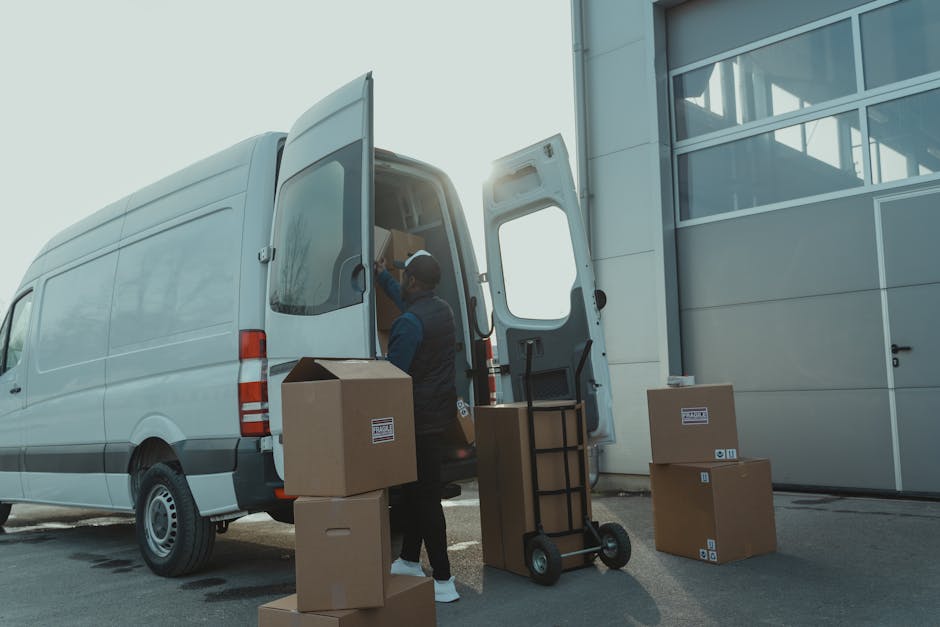
A practical example: if you are leaving a second-floor flat near the station on a Friday afternoon, with a sofa, bed frame, and half a dozen boxes, access planning becomes the difference between a tidy one-trip flow and a frustrating stop-start shuffle. Not glamorous, but very real.
Step-by-Step Guidance
Here is a sensible way to plan access around Blackheath Station without overcomplicating it.
Step 1: Map the actual route, not just the postcode
Look at the route from the road to the entrance. Ask yourself: can a van stop close enough to reduce carrying? Is there a gate? Steps? A tight corner? Even a modest obstruction can matter when lifting a wardrobe or appliance.
Step 2: List the items by size and difficulty
Make a simple list: boxes, bags, furniture, fragile items, and anything awkward. Heavy items are worth identifying separately. If you are moving something bulky on your own before the team arrives, this guide on how to move heavy objects safely is a good reality check. Sometimes the smartest move is not to improvise.
Step 3: Confirm timing and parking conditions
Near a station, timing can matter as much as distance. Early morning, school-run periods, and commuter peaks can all make access slower. If your delivery or collection needs to happen at a specific time, our delivery at the best time for you page explains how flexible scheduling can reduce pressure on the day.
Step 4: Pack with access in mind
Pack items so the most important things are easy to reach and the heaviest boxes are not hidden under lighter ones. If the move is being prepared in advance, our package your items and wait for us to come approach is especially helpful for people who want the handover to be quick and tidy.
Step 5: Check for building-specific issues
Lifts, entry systems, concierge arrangements, and restricted loading times can all affect the schedule. If your building has rules, follow them. If anything feels unclear, ask before moving day rather than hoping it works itself out. Hope is not a loading strategy.
Step 6: Prepare the property and the van area
Clear hallways, protect floors if needed, and make sure items are grouped so loading can happen in a clean sequence. If you want a calmer move overall, our decluttering strategies for a stress-free move article is a practical place to start.
Step 7: Build in a small buffer
Things happen. A lift is busy. Someone parks awkwardly. A box is heavier than expected. A buffer of even 15 to 30 minutes can make the whole job feel less compressed, which is surprisingly useful when you are already juggling keys, phones, and paperwork.
Expert Tips for Better Results
These are the little things that tend to separate an orderly move from a messy one.
- Use consistent labelling so boxes can be placed in the right room without delay.
- Keep a clear "load first" pile near the exit for the heaviest or most time-sensitive items.
- Wrap corners and edges on furniture before moving through tighter spaces.
- Disassemble what you can safely disassemble before the van arrives, especially bed frames and large shelving.
- Think about parking before packing, not after. This one is easy to miss.
A useful local observation: station-adjacent moves often go better when the person doing the booking has walked the route once in their head. It sounds simple, but picturing the path from door to van surfaces practical issues early. That tiny bit of foresight can save a lot of faffing around later.
If the job involves a larger range of furniture, our furniture removals Blackheath service may be a better match than a basic pickup, especially where careful handling and room-to-room placement matter.
Common Mistakes to Avoid
Most moving problems near a station are not dramatic disasters. They are a chain of small misjudgements.
Assuming the van can stop anywhere
A van needs a practical stopping point. That is not always the same as "nearby". If parking or loading space is uncertain, check in advance and leave room for a fallback plan.
Underestimating carry distance
A few extra metres becomes a real issue when you are carrying a mattress, desk, or washer. The longer the carry, the more chance of scuffs, strain, or slowdowns.
Leaving packing until the last minute
Rushed packing usually means weak boxes, poor stacking, and fragile items mixed in with heavy ones. That is where things start to wobble. If you need stronger packing support, see our packing and boxes Blackheath page for more practical help.
Forgetting about building access rules
Shared buildings often have small but important procedures. A booked lift slot, an entry code, or a loading restriction can change the whole rhythm of the move if missed.
Trying to move specialist items without the right help
Pianos, large mirrors, delicate antiques, and awkward appliances are not ideal "wing it and see" jobs. Sometimes DIY works. Sometimes it really doesn't. For a balanced view on difficult items, our piano moving skills article is worth a read.
Tools, Resources and Recommendations
You do not need a warehouse full of equipment to manage access well. A few sensible tools make most local moves much easier.
- Strong packing tape for boxes that will be lifted more than once.
- Furniture blankets or wraps for sofas, tables, and wood surfaces.
- Trolley or dolly for heavier items where the surface allows it.
- Marker pens and labels so the team can identify items quickly.
- Measuring tape for doorways, stair turns, and lift dimensions.
- Phone notes for parking restrictions, entry codes, and contact names.
If you want a better picture of your moving options, our removal van Blackheath page is useful for understanding vehicle-based choices. You can also use the contact page to ask about access specifics before you book, which is usually the simplest way to avoid surprises.
For customers who prefer a bit more structure, there is also a clear benefit in pre-packing and staged handover. That approach is often the calmest one, to be fair. Put everything ready, wait for the team, and let the loading happen in one clean sequence rather than in a rush.
Law, Compliance, Standards, or Best Practice
Moving around a station area in the UK usually does not require special legal drama, but there are still practical standards and duties worth respecting. Parking restrictions, dropped kerbs, pedestrian access, private estate rules, and local loading guidance all need to be observed. If you are unsure about a street restriction or whether a space is suitable, check ahead rather than guessing on the day.
From a safety perspective, best practice means:
- not blocking pavements or emergency access points,
- lifting in a controlled way and avoiding rushed carrying,
- using suitable protection for furniture and property,
- keeping the load balanced in the vehicle, and
- respecting building rules and neighbour access.
Professional movers should also have sensible insurance and safety processes in place. If that matters to you, the insurance and safety page is worth reviewing before you book. It is also wise to read the health and safety policy and the terms and conditions so expectations are clear both ways.
For environmentally conscious moves, disposal and reuse choices matter too. If you are clearing items rather than taking everything to a new place, our recycling and sustainability information may help you make a better decision.
Options, Methods, or Comparison Table
Different move types call for different access strategies. The best choice depends on what you are moving, how much time you have, and how tricky the station-side access is.
| Move option | Best for | Access considerations | Typical advantage |
|---|---|---|---|
| Man and van | Small to medium local moves, furniture, boxes, collections | Works best with clear loading access and moderate carry distance | Flexible and cost-conscious |
| Flat removals | Apartment moves with stairs, lifts, or shared entry points | Better where building access needs more coordination | More structured handling |
| House removals | Full home moves with larger volumes | Useful when there are multiple access points and more packing | Broader support and planning |
| Same-day removals | Urgent local jobs and short-notice moves | Needs quick confirmation of parking and loading conditions | Speed and responsiveness |
For urgent work, our same-day removals Blackheath page is useful if your schedule has changed suddenly. For smaller student or first-time moves, student removals can be a better fit, especially when the load is light but the timing is tight.
Case Study or Real-World Example
Here is a realistic local scenario. A tenant moving from a flat close to Blackheath Station had a sofa, a bed frame, a mattress, two bookshelves, and around a dozen boxes. The street was busy in the morning, and parking directly outside the property was not always guaranteed. Nothing unusual, but enough to complicate things if ignored.
The move went better because the plan focused on access first:
- the smaller boxes were packed and stacked by the front room the night before,
- the bed was partly dismantled in advance,
- the sofa was wrapped to protect corners and fabric,
- the van arrived during a less congested window,
- the loading route was cleared before any lifting began.
That is not flashy, but it worked. The team did not have to keep stopping and starting. No one had to carry a mattress around a queue of parked cars. And the whole process felt more controlled than stressful.
If that kind of result is what you want, the combination of a good access plan and a dependable local mover is hard to beat. A little boring, perhaps. In moving, boring is usually a compliment.
Practical Checklist
Use this checklist the day before your move near Blackheath Station.
- Confirm the moving time and expected arrival window.
- Check whether the van can stop close to the property.
- Review parking restrictions and building rules.
- Measure any awkward doorways, stairs, or lift openings.
- Label boxes by room and fragility.
- Wrap furniture edges and protect soft items.
- Set aside items you want loaded first.
- Keep keys, codes, and contact details handy.
- Clear corridors, entrances, and stairwells.
- Take a quick final look at the route from door to van.
If you are still deciding how to organise the move, our zero-stress house moving tips are a good next read, especially if you want the planning side to feel less chaotic.
Conclusion
The best Blackheath Station move is usually the one that looks simple because the access was planned properly from the start. That means thinking about parking, carry distance, building rules, and item handling before moving day arrives. Once those pieces are in place, the rest of the job becomes much more manageable.
Whether you are moving a few pieces of furniture, relocating from a flat, or arranging a full local removal, a thoughtful access plan makes the whole experience calmer, safer, and far less prone to little delays. And honestly, that calm matters. It changes the day.
Get a free quote today and see how much you can save.
If you are ready to talk through your route, timing, or any access concern near the station, use the contact page and get the details sorted early. A quick conversation now can save a lot of scrambling later, and that is often the smartest move of all.
Frequently Asked Questions
What does a Blackheath Station moves man and van access guide actually cover?
It covers the practical side of moving near Blackheath Station: where a van can stop, how far items may need to be carried, what parking or loading issues might come up, and how to plan around them.
Do I need special access arrangements for a small move near the station?
Not always, but it depends on the road layout, parking restrictions, and building access. Even a small move can become awkward if the van cannot stop nearby or if the property has stairs or a tight entrance.
Is a man and van service enough for flat moves around Blackheath Station?
Often yes, especially for smaller flats or moderate loads. If the move involves lots of furniture, several floors, or complicated access, a more structured flat removal service may be a better fit.
How far in advance should I plan the access details?
As early as possible. A few days is ideal, but even same-day work benefits from a quick check of parking, building entry, and item size so the team arrives prepared.
What if the van cannot park directly outside my property?
That is common in station areas. The move can still work if there is a safe nearby stopping point. The key is to understand the carry distance and factor that into the time needed.
Can I move large furniture near Blackheath Station without professional help?
Sometimes, yes. But large or awkward items are where people often run into trouble. Sofas, beds, wardrobes, and pianos are usually better handled with proper equipment and experience.
What should I pack first for a move with tight access?
Start with non-essential items, then group fragile items, and keep heavy or awkward pieces clearly separated. Label everything so loading can happen in a sensible order rather than randomly.
How do I avoid delays on moving day?
Confirm the parking plan, clear the route through the property, pack in advance, and keep entry codes or keys ready. Small prep steps make a big difference when access is tight.
Are same-day removals possible near Blackheath Station?
They can be, depending on availability and the simplicity of the access. If the move is urgent, it helps to contact the team quickly and explain the load, route, and timing needs clearly.
What if I need to move a piano or other specialist item?
Specialist items need a different level of care. A piano, for example, should be assessed separately because weight, balance, and property protection all matter. Specialised removal support is usually the safer choice.
How can I get a more accurate quote for my move?
Provide item details, access information, timing, and any building restrictions. The more precise the picture, the more accurate the quote is likely to be. Our pricing and quotes page is a good place to begin.
What should I do if I am still not sure whether my access is difficult?
If in doubt, describe the route in simple terms and ask for advice before booking. You do not need to sound technical. Just explain the stairs, parking, lifts, gates, or anything that feels awkward. That is usually enough to get sensible guidance.
Where can I find more local moving support?
You can explore the full range of local help through the removal companies Blackheath page, or choose the service that fits your situation best from the site's broader moving pages.