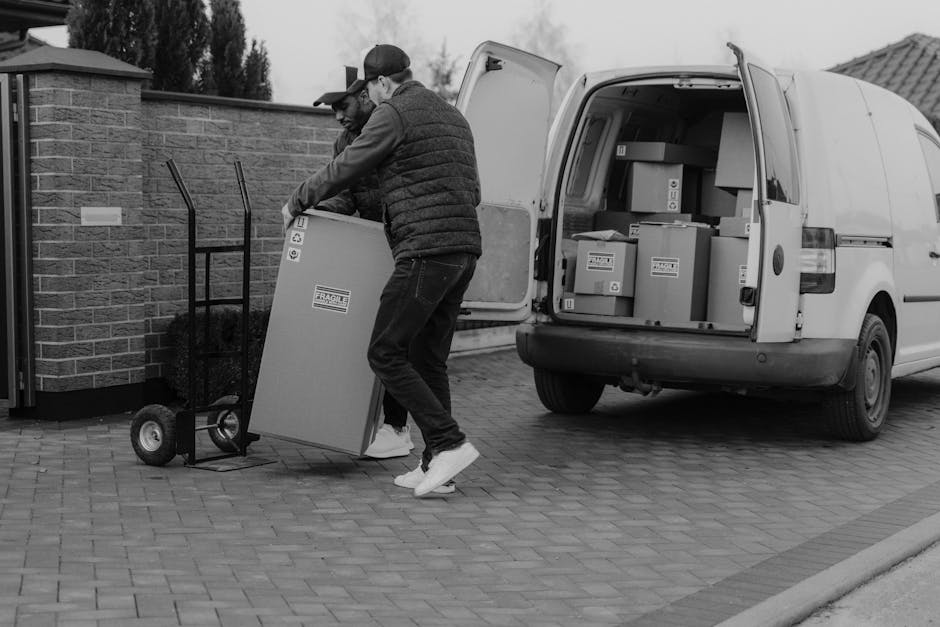
Common moving mistakes Blackheath man and van customers make

Moving day looks simple on paper: book a van, load the boxes, get to the new place, and breathe again. In real life, though, the small details are what trip people up. The common moving mistakes Blackheath man and van customers make usually start before the van even arrives - unclear access, poor packing, underestimating time, and forgetting to check what the move actually involves. Then the day gets noisy, rushed, and expensive. A bit of planning changes everything.
Whether you are moving from a flat near Blackheath Village, shifting a few rooms, or just need help with a last-minute job, this guide breaks down the mistakes people keep making and how to avoid them. It also covers what a man and van service is best for, when it makes sense to choose one, and the practical steps that help the day run smoothly. No fluff. Just useful stuff you can act on.
Why Common moving mistakes Blackheath man and van customers make Matters
A moving job is one of those tasks where small errors snowball quickly. Forget to measure the lift? Suddenly a sofa is stuck in the hallway. Pack books into oversized boxes? Your back will remember. Give vague instructions about parking or access? The driver arrives, but the move starts with a delay and a mildly awkward conversation on the pavement. We have all seen that scene, and to be fair, it is rarely dramatic - just avoidable.
For Blackheath customers, local details matter even more. Streets can be busy, parking can be tight, and flats often come with stair-only access or narrow communal areas. A service like man and van can be efficient and cost-friendly, but only if the job is described properly and prepared well. If not, the move can drift into a longer day, more lifting than expected, or a second trip you did not budget for.
The real risk is not just inconvenience. Common mistakes can lead to damaged furniture, missed time slots, stress between household members, and extra charges if the work takes longer than planned. A move should not feel like a survival challenge. It should feel organised, calm, and realistic.
Expert summary: The biggest moving problems are usually not caused by the van itself. They happen because the move was described too vaguely, packed too loosely, or left too late. Good preparation is what turns a stressful day into a manageable one.
How Common moving mistakes Blackheath man and van customers make Works
At a basic level, a man and van service is there to move items safely from one place to another using a suitable van and practical loading help. It often suits smaller home moves, flat moves, student moves, furniture transport, or same-day jobs. The service can be flexible, which is one reason people like it. But that flexibility also means the customer has a bigger role in the planning.
That is where the mistakes tend to appear. A customer may assume "two bedrooms" means a quick job, even if one bedroom contains heavy furniture, boxed kitchenware, a dismantled bed, and a narrow staircase. Or they may forget to mention there is no lift, no legal parking close by, and a long carry from the van to the front door. The move still happens, of course. It just takes longer and feels harder than expected.
Good man and van work is really a shared process. The customer prepares the items, gives accurate information, and clears access issues where possible. The mover brings the vehicle, lifting experience, and route planning. When both sides do their bit, things go much more smoothly. If you are unsure what level of service you need, comparing options like a removal van or full removals support can help you judge whether your move is simple enough for a lighter setup or better handled as a larger job.
One practical detail people miss: the move is often decided long before collection day. The quote, access notes, packing style, and item list all shape how the day unfolds. That is why being precise is not overkill. It is just smart.
Key Benefits and Practical Advantages
When customers avoid the usual moving mistakes, the benefits are obvious pretty quickly. The job stays simpler, less rushed, and more predictable. There is also a real confidence boost in knowing what is happening and why.
- Less damage risk: Proper packing and clearer loading plans reduce knocks, scrapes, and crushed boxes.
- Better timing: Accurate job details help the schedule stay realistic, especially with parking or stair access.
- Lower stress: You are not making decisions in a panic while the van is idling outside.
- Improved value: A well-planned move is less likely to need extra time, surprise labour, or repeat journeys.
- Cleaner handover: When everything is labelled and grouped sensibly, unloading becomes far easier at the other end.
There is also a quieter benefit people do not talk about enough: fewer arguments. Moving day can put everyone a bit on edge. Clear packing and a simple plan make the whole thing more civilised. Not glamorous, maybe, but very welcome.
If you are trying to keep costs sensible, it is worth checking pricing and quotes early rather than guessing. A good quote is not just about the number; it also shows whether the job details were understood properly.
Who This Is For and When It Makes Sense
This topic matters to almost anyone using a man and van in Blackheath, but some groups feel it more sharply than others.
- Flat movers: Especially if you are dealing with stairs, lifts, narrow entrances, or limited parking. A service like flat removals can be a better fit when access is awkward.
- Home movers: Households moving a few rooms, an entire small property, or mixed furniture and boxes may benefit from home moves.
- Students: Student moves are often short notice, but that is exactly when people forget box sizes, inventory, and timing. If that sounds familiar, student removals may suit the job better.
- Businesses: Small office relocations need planning, even if the move seems minor. See office removals or commercial moves for jobs involving equipment, desks, or stock.
- Furniture-only customers: If you are moving a sofa, bed, or a single large item, careful measurements matter more than you think. The same applies to furniture removals and furniture pick up.
- Last-minute movers: Same-day jobs can still go well, but they need much clearer communication. A same-day removals request leaves less room for guessing.
In simple terms, this guide is for anyone who wants the day to go smoothly instead of becoming a chaotic bundle of boxes, tape, and forgotten cables. Truth be told, that includes more people than you might think.
Step-by-Step Guidance
Here is a practical way to avoid the most common errors. Nothing fancy. Just a solid moving process.
- List everything that needs moving. Walk through each room and write down the larger items, box count, awkward pieces, and anything fragile or valuable.
- Check access at both properties. Note stairs, lifts, doorway width, parking distance, low ceilings, and whether the van can park nearby.
- Measure the bulky items. Sofas, wardrobes, mattresses, and tables should be measured before move day. A surprising number of problems start here.
- Choose the right support. A smaller move might suit man with van help, while heavier or more complex jobs may need a larger vehicle or broader removal services.
- Pack by room and priority. Put similar items together and label boxes clearly. "Kitchen - mugs and plates" is better than "misc".
- Use the right packing materials. Strong boxes, tape, wrapping paper, and blankets are worth the effort. If you need help with the basics, packing and boxes support can save time.
- Keep essentials separate. Documents, chargers, medication, keys, tea bags, and one change of clothes should not vanish into a random box. You will want them quickly.
- Confirm timing and parking. Build in a bit of buffer, especially if the road is busy or there are restrictions nearby.
- Have a quick unload plan. Decide where the furniture goes before the van arrives, not while everyone is standing in the hallway asking questions.
- Inspect items before signing off. Do a calm check of the important pieces. One minute now can save a headache later.
If the process feels more involved than expected, that is often a clue that the move may be better suited to a larger setup, perhaps even a removal truck hire option or a more structured move. Better to match the service to the task than to force the task into the cheapest shape.
Expert Tips for Better Results
Here are the details that experienced movers and organised customers tend to get right. They are small, but they add up fast.
- Label both the room and the contents. This helps with unloading and also avoids the "which box has the kettle?" mystery.
- Take photos of tricky items before dismantling. Useful for reassembly and for remembering how things fit together. A simple phone photo is enough.
- Protect corners and surfaces. Sofa edges, table legs, mirrors, and wardrobes need a bit more care than people expect.
- Keep screws and fittings in small bags. Tape the bag to the item or keep all hardware in one clearly marked container.
- Do not overload boxes. A box that looks neat from the outside can still be a trap for your wrists.
- Be honest about what needs lifting. Heavy, odd-shaped, or fragile items should be mentioned early. It is not over-sharing; it is planning.
- Leave a path through each room. The last hour before collection is not the time to build a wall of random laundry baskets in the corridor.
One more thing: if you are moving anything unusually awkward, such as a piano, do not guess your way through it. A service like piano removals exists for a reason, and the reason is usually weight, balance, and stairs. All very unhelpful ingredients when handled casually.
A slightly boring tip, but a good one: keep a single written note of access instructions. Door codes, floor numbers, parking details, and contact numbers all in one place. It sounds basic because it is basic. Basic is good.
Common Mistakes to Avoid
This is the heart of the topic. If you only remember one section, make it this one.
1. Underestimating how much there is to move
People often forget the odd items: lamps, plants, mirrors, bins, under-bed storage, and the contents of kitchen cupboards. The move then takes longer than planned because the "small extras" are not actually small. They just look harmless until they are stacked in the hallway.
2. Not giving accurate access details
"It's easy access" can mean very different things to different people. If the van has to park two streets away, if there is no lift, or if the entry is through a shared courtyard, say so. It matters more than you think.
3. Using weak boxes or poor packing
Flimsy boxes split. Overfilled boxes buckle. Loose items rattle around and get damaged. There is no prize for using the cheapest packing method. Good packing saves money in the long run.
4. Booking the wrong size service
A move that seems tiny on a phone call may be far more complex in person. If you are unsure, ask for guidance before booking. That is especially helpful when choosing between removals support and a smaller-scale van job.
5. Leaving everything until the night before
This is a classic. Boxes are half-packed, labels are missing, and someone is still searching for the TV cable at 10:40 p.m. The result is a rushed morning and a frazzled start.
6. Forgetting to set aside essentials
Toothbrush, charger, medication, paperwork, and keys should travel with you, not disappear into the truck of doom. It sounds obvious. Then moving day arrives.
7. Not checking the new property first
People assume the new place is ready, only to discover dirty rooms, missing access keys, or nowhere sensible to put large items. A quick pre-check can prevent a lot of frustration.
8. Ignoring waste and leftovers
Old furniture, broken shelving, and leftover packaging can slow everything down. If you have items to clear as well as move, look at options such as furniture removals or, where appropriate, responsible clearance support. And if you are trying to keep things lighter overall, recycling and sustainability is worth thinking about during the sort-out phase.
Here is the short version: vague details, poor packing, and late preparation are the big three. Fix those and you are already ahead of most moving-day chaos.
Tools, Resources and Recommendations
You do not need a complicated system to move well. A few simple tools make the day more manageable.
- Marker pens and labels: For naming boxes by room and content.
- Strong tape: Cheap tape often fails at the worst possible moment. Annoying, but true.
- Furniture blankets or covers: Helpful for protecting wood, leather, painted surfaces, and corners.
- Ratchet straps or tie-downs: Useful for keeping loads stable in transit.
- Flat-pack tools: Screwdrivers, Allen keys, and a small pouch for fittings.
- Phone photos: A quick photo of wire setups, shelf positions, and dismantled pieces can save time later.
- A written move plan: Nothing fancy - just timings, addresses, key contacts, and parking notes.
If you need packing help beyond boxes and tape, it may be worth looking at packing and unpacking services. That is especially sensible for busy households, older customers, or anyone juggling work and family while trying to move. It is one less thing to wrestle with, frankly.
For customers comparing options, a sensible resource set also includes a careful read of terms and conditions, plus practical guidance on insurance and safety. Those pages help set expectations around responsibility, handling, and what is or is not covered.
Law, Compliance, Standards, or Best Practice
Moving home is not usually a highly regulated event in the way some industries are, but there are still standards and best practices worth respecting. In the UK, good moving practice usually includes honest descriptions of the job, safe lifting, sensible loading, and clear communication about access and timing. None of that is glamorous, but it is what keeps the move controlled.
Customers also have responsibilities. If parking is restricted, if there are loading rules, or if the property has access limitations, those need to be considered before the day arrives. Local conditions around Blackheath and wider London can make this especially relevant. The most practical approach is to plan as if parking will be awkward, because sometimes it is.
From a safety point of view, lifting heavy objects poorly is the sort of thing people regret later. Furniture should be moved with care, particularly on stairs or in narrow hallways. If the job feels beyond a standard van move, it may be more appropriate to use a larger removal setup or a more specialised service rather than pushing through and hoping for the best.
There are also trust and conduct matters. Customers should feel comfortable asking how items will be handled, how payment is managed, and what happens if something changes on the day. A reputable provider should be able to explain that clearly. If not, that is a signal in itself.
Options, Methods, or Comparison Table
If you are not sure which moving approach suits your situation, this comparison can help. The right choice depends on scale, access, timing, and how much lifting you want to take on yourself.
| Option | Best for | Strengths | Possible drawbacks |
|---|---|---|---|
| Man and van | Small to medium moves, furniture transport, mixed boxes | Flexible, practical, often cost-conscious | Needs good customer preparation and accurate access info |
| Man with van | Quick transport jobs, single-item moves, light collections | Simple and adaptable | May not suit heavy or complex access requirements |
| Full removals | Larger homes, more furniture, fuller packing loads | More structured and suited to bigger jobs | Can be more than you need for a small move |
| Removal truck hire | Bulkier loads and bigger transport needs | More capacity for large jobs | May be unnecessary for compact moves |
| Storage | Staged moves, delays, downsizing, temporary gaps | Helpful when move-in and move-out dates do not line up | Extra planning and additional cost |
A good rule of thumb: if your move is mostly boxes and a few pieces of furniture, a man and van setup can work well. If it includes lots of furniture, multiple rooms, or fragile items that need careful handling, you may be better off with something broader, such as house removals or another more structured option.
Case Study or Real-World Example
Picture a fairly typical Blackheath move. A couple is leaving a two-bedroom flat with a sofa, a dining table, a bed frame, several medium boxes, and a surprising number of plants. They book a van for one trip and say the access is "fine". On the day, the driver arrives and finds no space directly outside, a long walk from the nearest legal stop, and two flights of stairs inside the building. The couple has packed most things, but the boxes are mixed by room and half of them are overfilled. One is leaking books. Never ideal.
Nothing catastrophic happens. But the move takes longer, the furniture needs extra handling, and everyone is more tired than they expected by lunchtime. The fix was simple in hindsight: better access details, a more realistic time estimate, smaller boxes for heavy items, and a proper plan for parking. That is usually how it goes. Not dramatic. Just a bit messy because a few details were skipped.
Now compare that with a more prepared move. The customer measures the sofa, clears the hallway, labels boxes by room, sets aside cables and essentials, and confirms the parking arrangement in advance. The van arrives, loading starts cleanly, and the job feels straightforward. Same city, same service type, completely different experience. Amazing what a few decent decisions can do.
Practical Checklist
Use this before your move. It is simple, but it catches a lot of the avoidable issues.
- Have you listed every major item, including awkward extras?
- Have you measured large furniture against doors, stair turns, and lift openings?
- Have you confirmed parking and access at both addresses?
- Are your boxes strong, sealed, and labelled by room?
- Have you kept essentials separate for the first 24 hours?
- Have you dismantled furniture where needed and saved the fittings?
- Have you checked whether you need storage between move-out and move-in dates?
- Have you reviewed the booking details and understood the service scope?
- Have you taken photos of fragile or complex items?
- Have you set out a clear plan for where items should go at the new place?
Tick these off and you are in a much stronger position. It is not about being obsessive. It is about removing little bits of friction before they pile up.
Conclusion
The most common moving mistakes Blackheath man and van customers make are usually simple to explain and easy to prevent: poor packing, vague access details, underestimating time, and choosing the wrong service for the job. The good news is that none of these are mysterious problems. With a proper list, a bit of measurement, and realistic planning, the whole move becomes more controlled and less draining.
If you are moving soon, focus on the basics first. Measure the furniture. Label the boxes. Confirm parking. Keep essentials close. And be honest about what the job really involves. That alone will save you a lot of hassle.
Get a free quote today and see how much you can save.
And if you are still at the "we should probably sort this properly" stage, that is fine too. A calm move starts with a calm decision, and the rest tends to fall into place from there.
Frequently Asked Questions
What are the most common moving mistakes Blackheath man and van customers make?
The biggest mistakes are underestimating how much needs moving, giving vague access details, using weak packing, and leaving preparation too late. Those four issues cause most of the stress.
How far in advance should I book a man and van in Blackheath?
As soon as you know your date, ideally. Busy periods fill up quickly, and the more time you have to explain the job properly, the smoother the move usually goes.
Is a man and van suitable for a flat move?
Yes, often it is. A flat removals service is a good fit for many small to medium moves, especially where stairs, parking, or limited access need careful handling.
How do I know if I need removals instead of a man and van?
If you have lots of furniture, multiple rooms, fragile items, or a move that feels more complex than a straightforward load-and-deliver job, removal companies or a broader service may be more suitable.
What should I tell the mover before the day?
Tell them exactly what items are moving, whether there are stairs or lifts, if parking is awkward, and whether any furniture needs dismantling. The more accurate the picture, the fewer surprises.
Do I need to pack everything myself?
Not always. Many customers do their own packing, but some prefer help with packing and unpacking services when time is tight or the move includes fragile items.
What if I have a very heavy or awkward item?
Say so early. Heavy items, pianos, and oversize furniture often need special handling. For example, piano removals are not the kind of job you want to improvise.
Can I get help if I need to move at short notice?
Yes, sometimes. A same-day removals option may help, but the job details need to be clear because there is less time for back-and-forth planning.
What happens if I underestimate the load?
You may need more time, a second trip, or a different vehicle than expected. That is why it is better to be slightly generous when describing the move rather than optimistic.
Should I worry about parking restrictions in Blackheath?
Yes, you should at least check them. Parking and loading access can make a big difference to timing, especially on busier London streets. It is one of those details that sounds dull until it causes a delay.
How can I reduce the risk of damage during the move?
Use strong boxes, wrap fragile items properly, label everything clearly, and avoid overpacking. If you are moving furniture, protect corners and surfaces and keep small fittings together in one place.
What if I need temporary storage between addresses?
Then storage can be a useful bridge. It is especially helpful when move-out and move-in dates do not line up neatly, which happens more often than people expect.
Is a quote usually fixed?
That depends on the details of the job. A clear quote is most useful when the mover has accurate information about volume, access, and timing. If your plans change, the price may need to be adjusted too.
What is the best way to stay organised on moving day?
Keep a simple checklist, separate essentials, label boxes by room, and decide where furniture should go before the van arrives. It is not a complicated system. That is the point.