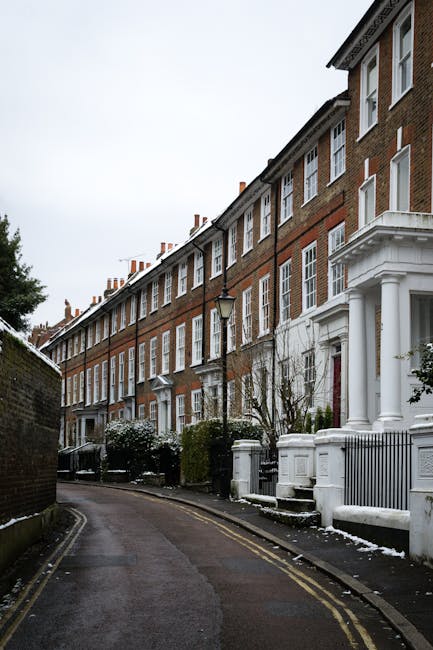
SE3 Removals Advice for Narrow Streets and Access: A Practical Guide for Smooth Moves
Moving in SE3 can feel straightforward on paper, and then reality arrives: tight streets, parked cars on both sides, awkward stairwells, limited turning space, and a front door that seems to sit just a little too far from where the van can stop. That is exactly why SE3 removals advice for narrow streets and access matters. A good move in this part of London is not just about lifting boxes. It is about planning the route, understanding access, timing the load-up, and avoiding the sort of small problem that turns into a very long afternoon.
Whether you are moving from a flat near the village, a family house on a quieter residential road, or an office with awkward access, the same rule applies: the better the access plan, the calmer the move. In this guide, we will walk through what to think about, how removals are usually handled in tight SE3 streets, and the practical steps that can save time, money, and a fair bit of stress. If you want a broader moving overview too, our removals Blackheath page and services overview are useful places to start.
Table of Contents
- Why SE3 removals advice for narrow streets and access Matters
- How SE3 removals advice for narrow streets and access Works
- Key Benefits and Practical Advantages
- Who This Is For and When It Makes Sense
- Step-by-Step Guidance
- Expert Tips for Better Results
- Common Mistakes to Avoid
- Tools, Resources and Recommendations
- Law, Compliance, Standards, or Best Practice
- Options, Methods, or Comparison Table
- Case Study or Real-World Example
- Practical Checklist
- Conclusion
- Frequently Asked Questions
Why SE3 removals advice for narrow streets and access Matters
Narrow streets change the whole shape of a move. In SE3, that might mean a van cannot park directly outside the property, or it can only stop briefly without blocking traffic. On some roads, access is technically possible but not convenient. That difference matters more than people expect.
Removals run smoothly when the team can load and unload in a clear, predictable way. If the van is half a road away, every item has to be carried further. That adds time, effort, and exposure to damage. It also increases the chance that neighbours get frustrated, pedestrians are squeezed out, or the move drifts behind schedule. Truth be told, the most expensive part of a difficult access move is often not the van itself. It is the extra handling and the lost minutes that keep adding up.
There is also the practical side of stress. If you know the road is tight, the stairs are awkward, or the lift is small, you can plan properly rather than discovering it on moving day with a sofa blocking the hall. That is the real value here: planning turns access problems into manageable tasks.
If your move includes larger items, it helps to understand the challenges in advance. For example, our guides on transporting beds and mattresses and protecting a sofa during a move are both useful when space is tight and every corner counts.
How SE3 removals advice for narrow streets and access Works
A good narrow-street move starts before anyone picks up a box. First comes the access check: where can the van stop, how wide is the road, are there parked cars, are there loading restrictions, and can the property be reached safely on foot? Then comes item planning. Which pieces need to go first? What should be dismantled? What should be wrapped, grouped, or carried separately?
In practice, the process often looks like this:
- Survey the access route. Check the street, entrance, path, stairs, hallway, and any gates or shared areas.
- Measure the awkward items. Sofas, beds, wardrobes, fridges, and pianos are the usual troublemakers.
- Plan the loading order. Heavier or bulky items may need to go out first while the route is still clear.
- Protect the property. Door frames, banisters, and floors can suffer in tight spaces, so padding and careful handling matter.
- Set a realistic schedule. Some access jobs are quick; others need a slower pace and a little patience.
The important thing is that access planning is not separate from the removals job. It is part of it. A team used to cramped SE3 streets will usually think about van positioning, carrying distance, and item breakdown before the day begins. If you are arranging a smaller move, a man with van in Blackheath can be a sensible fit; if the move is larger or more complex, a broader removal services option may be more suitable.
One thing people sometimes miss: access is not only about the street outside. A front door that opens awkwardly, a communal hallway with low ceilings, or a staircase that turns tightly at the landing can matter just as much. Small issue. Big impact.
Key Benefits and Practical Advantages
Good access planning brings a stack of practical benefits, some obvious and some less so. The obvious ones are time-saving and damage reduction. The less obvious ones are just as important: fewer delays, better coordination with neighbours, less physical strain on movers, and less chance of having to improvise in a hurry.
- Less handling distance: The closer the van can get, the fewer trips and the lower the risk of knocks and scrapes.
- Better safety: Clear routes reduce the risk of trips, strained backs, and awkward lifting in tight spaces.
- More predictable timing: A planned access route makes the day feel structured instead of chaotic.
- Lower stress: You are not guessing where the vehicle will fit or whether a sofa will make that last corner.
- Less disruption: Good planning helps keep pavements, entrances, and neighbour access less affected.
There is also a simple financial angle. If access is difficult and the team has to work much slower, the job may take longer. Sometimes that is unavoidable, but not always. Good preparation can trim unnecessary time from the move. For many households, that makes a real difference.
And if you are decluttering before moving, which is often the smartest thing to do, our article on decluttering strategies for a stress-free move can help you reduce the volume before moving day even starts. Fewer items. Fewer problems. Simple, but it works.
Who This Is For and When It Makes Sense
This advice is useful for anyone moving in or around SE3, but it is especially relevant if your property has limited road access or awkward entry points. That often includes:
- Flats with narrow staircases or shared entrances
- Homes on residential streets with frequent parking pressure
- Moves involving large furniture or fragile specialist items
- Student moves where time and access windows are tight
- Office relocations in streets where stopping space is limited
- Same-day or short-notice moves that need a very efficient plan
If you are moving from a top-floor flat, or from somewhere where the van cannot park directly outside, this is not a small detail. It affects how many crew members are needed, how the loading order is set, and whether certain items need dismantling before they move. For flat-based moves, our flat removals Blackheath page is a useful related read.
Students and renters often underestimate access because the move feels small. Then the boxes add up, the bed frame is awkward, and the lift is on strike. It happens. For that kind of move, student removals can be a good match, especially when timing and light packing matter more than brute force.
Step-by-Step Guidance
Here is a straightforward way to prepare for a narrow-street move in SE3. No drama, no overcomplication. Just the steps that tend to save the day.
1. Walk the route before moving day
Stand at your front door and look at the path the items will actually take. Not the route in your head. The real one. Check for steps, narrow gates, uneven paving, low branches, and anything that could catch a large item. If possible, do this at the same time of day you expect the move to happen, because parking and traffic can change dramatically between morning and late afternoon.
2. Measure the largest items
Take basic measurements of the items most likely to cause trouble: sofa, mattress, wardrobe, fridge, desk, piano, and large mirrors. Measure doorways too. A sofa that looks fine in the lounge can suddenly become a problem at the hall turn. It is annoying, but very common.
3. Decide what should be dismantled
If furniture can be safely taken apart, that often makes access much easier. Bed frames, some wardrobes, shelving, and table legs are often worth separating before the team arrives. For a useful related guide, see packing perfection and essential moving steps before you start boxing things up.
4. Reserve space where you can
In tight roads, parking control is everything. If there is any legal way to secure a sensible stopping point, do it early. If not, prepare for a longer carry and make sure the route from van to door is clear. Neighbours sometimes help by moving a car, but you should not rely on goodwill alone. People have their own schedules, and fair enough.
5. Pack with access in mind
Heavy boxes should be kept sensible in size. A tiny box full of books is much safer than a massive one that looks neat but is miserable to carry. Label fragile items clearly, keep essentials separate, and avoid overfilling bags that need to be carried upstairs. If you want a practical packing checklist, the packing and boxes Blackheath page can help you plan ahead.
6. Protect the route
When the carrying route is tight, protect surfaces before the first item moves. Floor runners, cardboard, blankets, or simple coverings can help prevent scuffs. Door frames and corners are the usual casualties. And yes, that one mark on the wall always seems to appear at the worst possible time.
7. Keep a short, clear moving plan
Write down the order of priority for the day: beds first, kitchen later, fragile items last, or whatever makes sense for your home. The point is not to create a military operation. It is to avoid everyone standing in the hallway asking, "What next?"
Expert Tips for Better Results
Here are the details that tend to separate a decent move from a smooth one.
- Choose a realistic time slot. Early mornings can be easier for loading in busy residential streets, but only if everyone can actually be ready.
- Separate small loose items. Keys, chargers, screws, cables, and remotes should not be floating around in random bags.
- Use colour-coded labels. This is especially handy in flats or multi-room homes where items need to go to different floors.
- Tell movers about the awkward bits early. The narrow side gate, the steep stairs, the awkward fridge corner. Mention it before the van arrives.
- Have a plan for pets and children. Moving day can feel busy and noisy. A quiet room or a short outing can make everything calmer.
Specialist items deserve special treatment. A piano, for example, is not just a bulky object. It is a sensitive one. If your move includes one, our piano removals Blackheath service page and the related guide on piano moving skills are worth reading. Similar logic applies to fridges, freezers, and heavy furniture.
A small practical note from real life: people often pack brilliantly in the living room and then forget the final three metres from front door to van. That last stretch is where scratches happen. Funny, in a way. Also not funny at all when it is your hallway.
Common Mistakes to Avoid
Most access-related moving problems are not dramatic failures. They are small avoidable errors that stack up. Here are the ones we see most often.
- Not checking parking reality: Assuming the van will fit outside is a classic mistake.
- Ignoring hallway width: The route inside the property matters just as much as the street outside.
- Leaving bulky items assembled: Some furniture should come apart before it reaches a tight corner.
- Overpacking boxes: Big heavy boxes are hard to carry in narrow spaces and easier to drop.
- Forgetting to clear the entrance: Shoes, plant pots, bins, prams, and bikes all become obstacles.
- Not telling the team about access problems: Surprises are bad news on moving day.
Another common issue is underestimating how much time a carry will take. A 20-metre walk from van to door does not sound like much. But if every item needs to be carried carefully, the rhythm slows down. That is normal. The mistake is pretending it will not happen.
If your move is sensitive to timing, our page on delivery at the best time for you explains how scheduling can be handled more flexibly.
Tools, Resources and Recommendations
You do not need a warehouse full of equipment, but the right tools make narrow-access moves much easier.
| Tool or Resource | Why It Helps | Best Use Case |
|---|---|---|
| Furniture blankets | Protect corners, varnish, and painted surfaces | Sofas, tables, wardrobes, door frames |
| Trolley or sack truck | Reduces manual carrying for heavy items | White goods, boxes, heavy furniture |
| Straps and webbing | Improve control and balance during lifting | Large awkward items, stairs, long carries |
| Floor protection | Limits scuffs, dirt transfer, and impact damage | Hallways, landings, shared entrances |
| Labels and inventory notes | Keep the move organised and reduce mistakes | Multi-room, flat, and office moves |
For some moves, storage can also help if access timing and property handover do not line up perfectly. If that sounds familiar, look at storage in Blackheath. It can take the pressure off when keys, completion times, or access windows are a bit messy.
And if you are comparing moving options, our removal van Blackheath page may help you understand what sort of vehicle works best for different street conditions.
Law, Compliance, Standards, or Best Practice
For narrow streets and access, the main compliance issues are usually practical rather than legal. That said, you should still treat parking, loading, unloading, and footway access with care. Local restrictions, waiting rules, yellow lines, bay controls, and residents' permits can all affect what is possible. In some areas, a van may need to stop only for a short window, so advance planning matters.
It is also good practice to keep pavements clear wherever possible and to avoid unsafe lifting or blocking emergency routes. If the move is near a busy junction, a school run route, or a narrow shared street, think about the wider impact on pedestrians and neighbours. That is both courteous and sensible.
In professional removals, teams should work in line with common health and safety expectations: sensible lifting, suitable equipment, and appropriate care when moving heavy or fragile items. If you want more background on how safety is handled, see our health and safety policy and insurance and safety information. Those pages are useful if you are checking that your move is being handled responsibly.
For difficult access jobs, good practice also means telling the removals provider the truth about the site. The narrow bits. The stairs. The slight slope in the path. Better to mention it early than discover it when the wardrobe is already halfway through the hallway.
Options, Methods, or Comparison Table
Not every SE3 move needs the same approach. The right method depends on road access, item size, and how much carrying is involved.
| Approach | Best For | Pros | Limitations |
|---|---|---|---|
| Man and van | Smaller homes, single loads, short-distance moves | Flexible, efficient, usually ideal for tighter jobs | May not suit very large inventories |
| Full removals service | Larger houses, multiple rooms, heavier moves | More capacity, more support, better for complex access | May cost more than a basic vehicle-only option |
| Self-move | Very small moves with easy access | Can be cheaper in simple situations | Higher risk in narrow streets, more physical effort, more coordination |
| Split move with storage | Moves with timing gaps or limited space at one end | Reduces pressure and helps with awkward handover dates | Involves extra planning and an additional stage |
For many SE3 properties, a flexible vehicle-led move works well, especially if the load is moderate and the access challenge is mainly about parking or carrying distance. Larger or more delicate jobs may be better suited to a bigger team. If you are weighing up your options, the removal companies Blackheath page is a good comparison point, and man and van Blackheath explains one of the most practical local options.
Case Study or Real-World Example
Imagine a move from a first-floor flat in SE3 with a narrow staircase, a tight front path, and limited parking outside the property. Nothing unusual, really. The van cannot sit directly at the door for long, so the team agrees in advance to carry the heavier items first and keep the hallway clear. The sofa is wrapped, the bed frame is dismantled, and the smaller boxes are grouped by room.
On the day, the van parks a short distance away. Not ideal, but workable. Because the route was checked beforehand, the team already knows which items need a two-person carry and which can be moved safely on a trolley. The move takes longer than one with perfect access would. Of course it does. But there are no last-minute arguments about what fits where, no surprise blockages, and no damaged corner on the way out.
That is the real pattern with narrow streets. The move does not have to be easy to be successful. It just needs to be planned honestly.
And if the job is urgent, a service such as same day removals in Blackheath can sometimes help, provided the access details are shared clearly from the start.
Practical Checklist
Use this checklist a day or two before the move. It is simple, but it catches most access problems before they become day-of headaches.
- Measure the largest items and the narrowest doorways
- Check whether the van can stop legally and safely near the property
- Clear the front path, hallway, and stairwell
- Dismantle furniture where appropriate
- Pack heavy items into smaller boxes
- Label boxes by room and fragility
- Protect floors, corners, and door frames
- Tell the moving team about any slopes, steps, or shared entrances
- Set aside essentials for the first night
- Keep keys, documents, and contact numbers easy to reach
Expert summary: In narrow SE3 streets, the move is won or lost in the planning stage. If the route is clear, the van position is realistic, and the furniture is prepared properly, the day usually feels much calmer from the first lift to the final box.
For help with the practical side of preparing items, you can also use our guide to package your items and wait for us to come, which fits neatly with a well-organised access plan.
Conclusion
SE3 removals in narrow streets are very manageable when access is treated as part of the move, not a side issue. Measure what matters, explain the route clearly, prepare awkward items properly, and choose a removals approach that matches the street, not just the postcode. That is the difference between a frantic day and a move that feels under control.
There will always be little surprises in a London move. A parked car that is still there. A door that swings wider than you remembered. A box that suddenly feels heavier on the second flight of stairs. It happens. But with the right preparation, those moments stay small. And that is what you want.
If you are planning a move in SE3 and want tailored help with tight access, awkward parking, or specialist items, speak to a local team that understands the area and the pressure points.
Get a free quote today and see how much you can save.
A calm move is rarely an accident. Usually, it is just good planning done early.
Frequently Asked Questions
How do I prepare for removals on a narrow SE3 street?
Start by checking where the van can park, how far items will need to be carried, and whether any furniture needs dismantling. Clear the entrance and tell the movers about any tight corners or steps.
What if the removal van cannot park outside my property?
That is common in busy residential areas. A good team will plan for a short carry from the nearest safe stopping point. It may take longer, but it can still be handled smoothly with the right setup.
Is a man and van service suitable for narrow streets?
Often, yes. A flexible vehicle and smaller team can be a very practical choice for tighter streets, smaller homes, and shorter moves. If the job is large or especially awkward, a fuller removals service may be better.
Should I dismantle furniture before moving day?
If it can be done safely and reassembled later, yes, especially for beds, some wardrobes, and larger table frames. Dismantling often makes narrow hallways and tight staircases much easier to manage.
How far in advance should I mention access issues?
As early as possible. Ideally, mention parking limits, narrow entrances, shared halls, steep steps, or loading restrictions when you first ask for a quote. That helps the team prepare properly.
Do narrow streets make removals more expensive?
They can, depending on how much extra time and carrying distance is involved. Not every access challenge increases cost dramatically, but difficult access can affect the overall labour needed.
What items are most difficult in tight access moves?
Large sofas, wardrobes, mattresses, pianos, fridges, and heavy shelving units are often the trickiest. Anything bulky, fragile, or awkwardly shaped deserves extra attention.
Can I still move on the same day if access is poor?
Sometimes yes, if the move is small and the details are clear. Same-day moves are more manageable when the access route is realistic and the belongings are well packed. Last-minute surprises are where things get messy.
What should I tell the removals company before the job starts?
Tell them about road width, parking restrictions, staircases, lift access, distance from van to door, and any items that need special handling. The more honest the description, the better the plan.
How can I protect my floors and walls during a narrow-street move?
Use floor protection, keep pathways clear, and make sure corners and frames are padded where needed. Tight access makes protection more important, not less.
What if I have a piano, freezer, or other specialist item?
Specialist items should be treated separately from standard boxes. They often need extra equipment, more than one person, and careful route planning. Our related service pages on piano removals and storing a freezer when not in use are helpful starting points.
How do I get a quote for an SE3 move with difficult access?
Share your property details, item list, access notes, and preferred timing. If possible, send photos of the entrance, stairs, and street. That gives a far more accurate quote than a guess from a postcode alone.